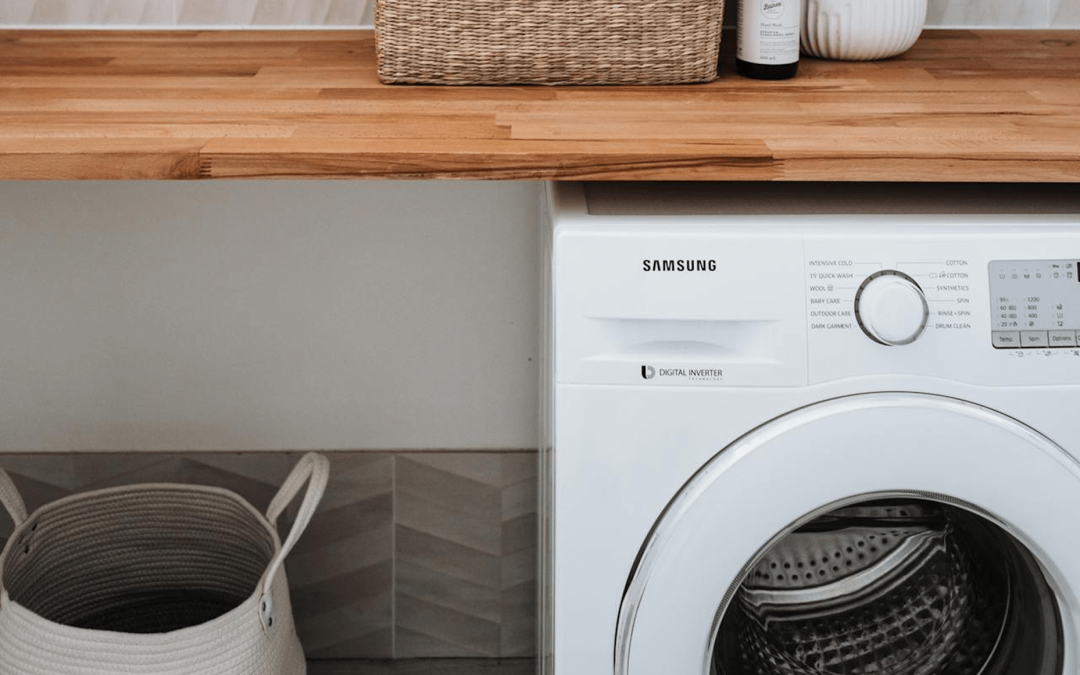
A leaking washing machine is one of the most frustrating surprises a homeowner can discover. Whether it’s a small puddle or a full-blown flood, water around your washer can damage floors, walls, and even nearby appliances. But before you panic or call in a technician, here’s what you should check first — the cause might be easier (and cheaper) to fix than you think.
Start With These Common Culprits
1. Hoses — The #1 Leak Source
Check the water supply hoses at the back of your machine. Cracked or loose hoses are one of the most common reasons for leaks. Look for:
-
Cracks or splits in the hose
-
Loose connections at the faucet or machine
-
Rusted or worn-out clamps
💡 Tip: Replace old rubber hoses with braided stainless steel ones for better durability and leak resistance.
2. Door Seal (Front-Load Washers)
If you have a front-loading washer, inspect the rubber door gasket. Over time, it can collect lint, hair, and detergent residue — or even tear — which prevents it from sealing properly and causes leaks during cycles.
🧼 Quick fix: Clean the gasket regularly and check for signs of mold or damage.
3. Detergent Drawer Overflow
Using too much detergent (especially in high-efficiency machines) can cause suds to overflow, leading to leaks around the front or bottom of the washer. This might look like a serious issue but is usually a simple user error.
🔍 Check your detergent type and dosage — and always follow the machine’s recommendations.
4. Drain Hose Issues
Check the hose that drains water from the washer into your plumbing. It could be:
-
Clogged
-
Disconnected
-
Not inserted properly into the drain pipe
👂 If you hear gurgling or see slow drainage, the problem could be in the hose or even a clogged standpipe.
5. Internal Leaks
If all the visible parts look good, the leak may be coming from inside the washer:
-
A damaged water pump
-
Cracked tub
-
Loose internal hoses
At this point, calling a professional like Repair Team is your best move to avoid further damage and costly repairs.
How to Prevent Future Washer Leaks
-
Inspect hoses every 6 months
-
Don’t overload the washer
-
Use the correct detergent and amount
-
Clean the filter and drain pump regularly
-
Leave the door open after use to prevent mold and seal damage
When to Call the Pros
If the leak continues even after checking all the basics, or if you notice water inside the washer when it’s turned off, it’s time for a professional inspection. The experts at Repair Team can diagnose the issue quickly and fix it before it leads to bigger problems.