Your range and stove are the heart of your kitchen — and like any hardworking appliance, they need a little TLC to keep running safely and efficiently. Luckily, you don’t have to be a pro to take care of them. With a few simple do-it-yourself maintenance tips, you can extend the life of your appliance, prevent costly repairs, and keep mealtime stress-free.
1. Clean Spills Immediately
Burnt-on food and grease are not only unsightly but can also damage burner components over time. Always wipe spills as soon as your stovetop cools down.
-
Use a non-abrasive cleaner and a soft cloth.
-
For stubborn stains, a mixture of baking soda and vinegar can do wonders.
-
Don’t let grease build up near burners — it can become a fire hazard.
2. Check Burner Flames (Gas Stoves)
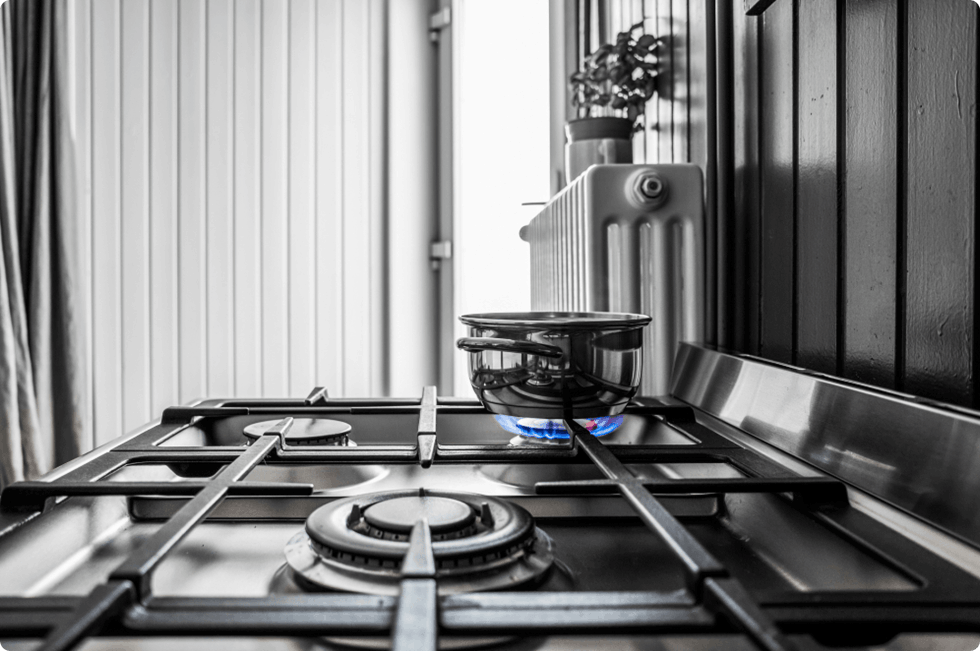
Take a look at the burner flames when your gas stove is on. A healthy flame should be blue. If it’s yellow or orange, it could mean:
-
The burner is dirty or clogged.
-
There’s a gas-to-air imbalance.
🛠️ Remove the burner caps and clean them with warm, soapy water. Use a needle or pin to clear the tiny holes if needed.
3. Inspect Electric Coil Burners
For electric stoves, regularly inspect the coils:
-
If they’re not heating evenly or have visible damage, they may need replacement.
-
Make sure the coil is fully plugged in and sitting flat.
🧼 Clean the coils with a damp cloth — never submerge them in water.
4. Clean Under the Stove Top
Many stoves allow you to lift the top (like a car hood) to access the area underneath. This is a common spot for hidden crumbs and spills.
-
Lift carefully (check your manual first).
-
Vacuum or wipe out debris.
-
Be gentle around wiring or ignition systems.
5. Check and Clean Drip Pans
Drip pans catch spills and protect the burner area, but when dirty or rusty, they can affect heat performance.
-
Remove and soak them in hot, soapy water.
-
Replace them if they’re beyond saving — they’re inexpensive and easy to find.
6. Keep Vents and Knobs Clean
Grease can clog oven vents and gum up control knobs. Make it a habit to:
-
Remove knobs and clean them regularly.
-
Check vents for blockages.
-
Use a soft brush or vacuum attachment to clean the control panel area.
Bonus: Test the Oven Temperature
Not sure if your oven’s running hot or cool? Place an oven thermometer inside and compare the actual temperature to your settings. A major difference could mean it’s time to recalibrate — or call in a pro.
When to Call Repair Team
While DIY maintenance can go a long way, some issues — like gas leaks, faulty igniters, or electrical malfunctions — require professional help. If your stove isn’t lighting, smells like gas, or won’t maintain temperature, Repair Team is here to help with fast, expert repairs.